Key Takeaways
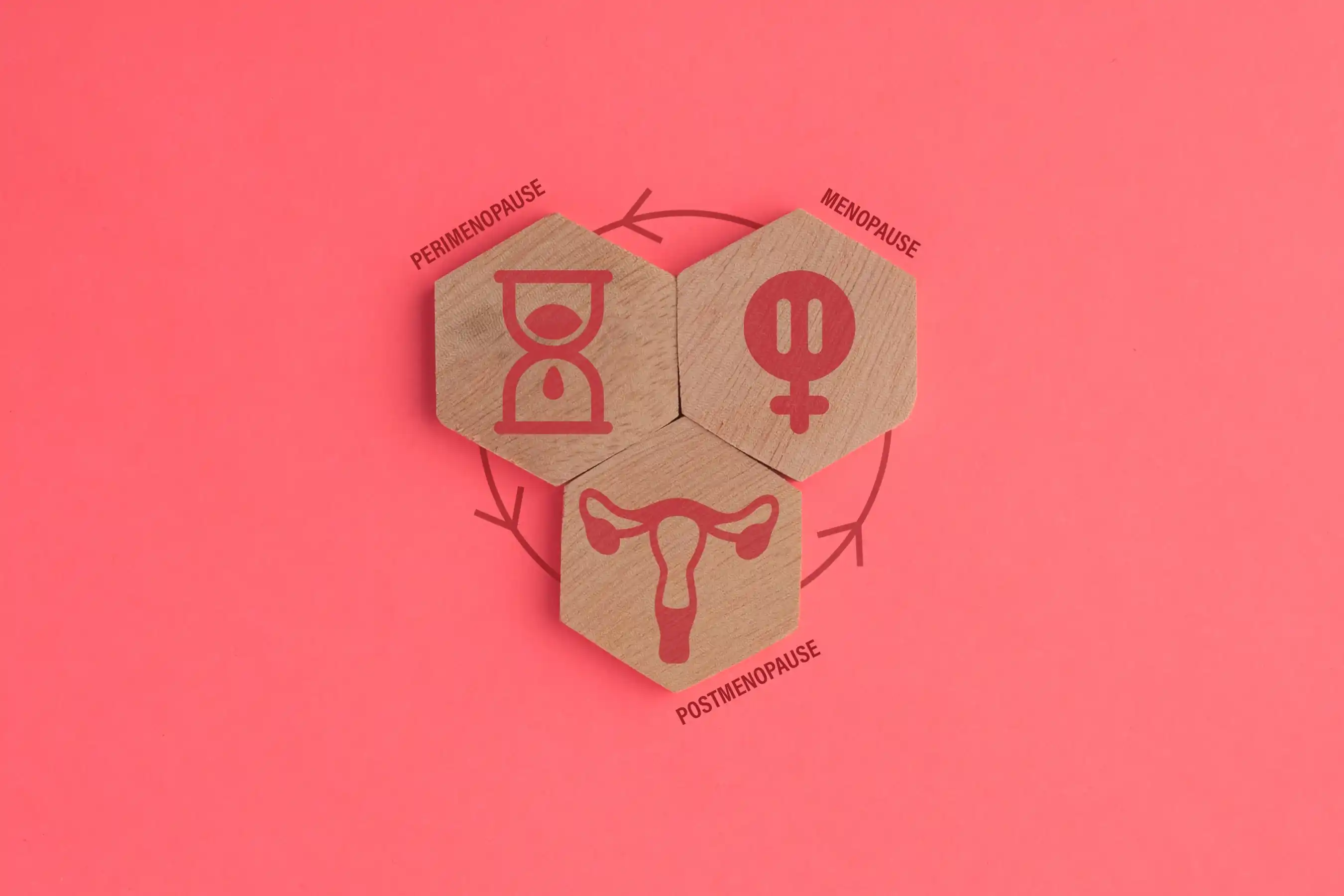
- Perimenopause and menopause are often used interchangeably, but they describe two distinct stages of the same transition.
- Perimenopause is the lead-up period when hormone levels begin fluctuating; menopause is a single point in time reached after 12 months without a period.
- Perimenopause can last anywhere from a few months to several years before menopause is reached.
- Symptoms can overlap between the two stages, but they tend to shift in intensity and frequency as your body transitions.
- Understanding which stage you're in helps guide the right conversation with your provider, and TrueCare Medical offers personalized menopause care at its Lilburn and Suwanee offices.
Perimenopause vs. Menopause: Understanding the Terms
It's easy to use 'perimenopause' and 'menopause' as if they mean the same thing, but they actually describe two different points along the same transition. Getting clear on the difference can help you understand what your body is doing and when it might be time to talk with your provider.
What Is Perimenopause?
Perimenopause is the transitional phase leading up to menopause. During this time, your ovaries gradually produce less estrogen, and hormone levels begin to fluctuate rather than following a predictable pattern. This is usually when symptoms like irregular periods, hot flashes, and mood changes first appear.
What Is Menopause?
Menopause itself is not a phase; it's a single point in time. It's officially reached once you've gone 12 consecutive months without a menstrual period. After that point, you're considered postmenopausal for the rest of your life. Menopause typically occurs in the late 40s to early 50s, though the exact timing varies from person to person.
Perimenopause vs. Menopause at a Glance
| Perimenopause | Menopause | |
|---|---|---|
| What it is | The transitional phase leading up to menopause | The point 12 months after your last period |
| Typical timing | Can begin in the 40s, sometimes earlier | Late 40s to early 50s on average |
| Duration | Several months to several years | A single point in time (then postmenopause begins) |
| Hormone pattern | Fluctuating, unpredictable | Consistently low estrogen |
| Periods | Irregular but still occurring | Absent for 12+ consecutive months |
When Does Perimenopause Start?
Perimenopause can begin at different times for different people, though it most commonly starts in a person's 40s. Some notice early changes in their late 30s, while others don't experience symptoms until closer to their 50s. Because hormone levels fluctuate rather than decline in a straight line during this phase, symptoms can feel unpredictable, easing up for a while and then returning.
Common Signs of Perimenopause
The signs of perimenopause vary widely from person to person, but common changes include:
- Irregular periods, including cycles that are shorter, longer, heavier, or lighter than usual
- Hot flashes and night sweats
- Sleep disruptions
- Mood changes, including increased irritability or anxiety
- Vaginal dryness
- Changes in libido
How Long Does Each Phase Last?
Perimenopause can last anywhere from a few months to more than a decade, though several years is typical. Menopause, by contrast, is a single day, the day that marks 12 months since your last period. Everything after that point falls under postmenopause, a stage that continues for the rest of your life and can come with its own set of considerations for long-term health.
Why the Distinction Matters for Your Care
Knowing whether you're in perimenopause or have reached menopause helps your provider tailor recommendations to what your body actually needs. Someone in early perimenopause with irregular but still-occurring periods may have different options and considerations than someone who has already gone a full year without one. Bringing a clear timeline of your symptoms and cycle changes to your appointment can make that conversation more productive.
At TrueCare Medical, providers take an individualized approach to women's health, discussing your specific symptoms, health history, and goals before recommending a path forward.
Talk to TrueCare Medical About Your Symptoms
Whether you're just starting to notice changes or you suspect you've already reached menopause, understanding where you are in the process is the first step toward finding the right support. TrueCare Medical's team offers compassionate, individualized menopause care to help you navigate this transition with confidence.
Request an appointment with TrueCare Medical's women's health team at the Lilburn or Suwanee office to talk through your symptoms and options.
Frequently Asked Questions
What is the difference between perimenopause and menopause?
Perimenopause is the transitional phase before menopause, marked by fluctuating hormones and irregular periods. Menopause is the specific point in time reached after 12 consecutive months without a period. Perimenopause can last years, while menopause itself marks a single milestone.
When does perimenopause start?
Perimenopause most commonly begins in a person's 40s, though it can start earlier or later depending on the individual. It typically lasts several years before menopause is reached.
What are the earliest signs of perimenopause?
Early signs often include irregular periods, hot flashes, sleep disturbances, and mood changes. Because hormone levels fluctuate rather than decline steadily during this phase, symptoms can vary in intensity from month to month.
How do I know if I've reached menopause?
You've reached menopause once you've gone 12 consecutive months without a menstrual period. Before that point, even with irregular or infrequent periods, you're still considered to be in perimenopause.
Should I see a doctor during perimenopause or wait until menopause?
You don't need to wait. If perimenopause symptoms are affecting your daily life, sleep, or mood, it's worth discussing with your provider as soon as they arise. Early conversations can help you understand your options and find relief sooner rather than later.
