Key Takeaways
- Chemical peels can improve the appearance of some types of acne scars, particularly surface-level discoloration and mild texture changes.
- How much a peel helps depends heavily on your specific type of scarring and the strength of the peel used.
- Superficial peels, like the ones offered at TrueCare Medical, target the outermost layer of skin with little to no downtime.
- A single peel can help, but most patients see the best results from a series of treatments spaced a few weeks apart.
- TrueCare Medical's H3 Aesthetics team offers chemical peel treatments for patients in Lilburn and Suwanee, Georgia, and you can request an appointment to talk through your skin goals.
The Different Types of Acne Scars and Why That Matters for Treatment
Not all acne scars are the same, and the type you have plays a big role in how well a chemical peel is likely to work. Acne scars are stubborn, and no single treatment is best for everyone; the right approach depends on your scar type, skin type, and severity. Acne scarring generally falls into a few categories:
- Post-inflammatory hyperpigmentation (PIH): Flat, discolored marks left behind after a blemish heals
- Atrophic scars: Indented or pitted scars, including boxcar, icepick, and rolling scars, that form when skin tissue is lost during healing
- Hypertrophic or keloid scars: Raised, thickened scars that form when the body produces too much collagen during healing
Superficial chemical peels, like the ones offered at TrueCare Medical, tend to be most effective for post-inflammatory hyperpigmentation and mild texture irregularities. Deeper, pitted scarring generally responds better to other treatments or a combination approach, which is why an honest evaluation of your specific scarring matters more than the treatment name alone.
How Chemical Peels Work and Why They're Effective for Certain Marks
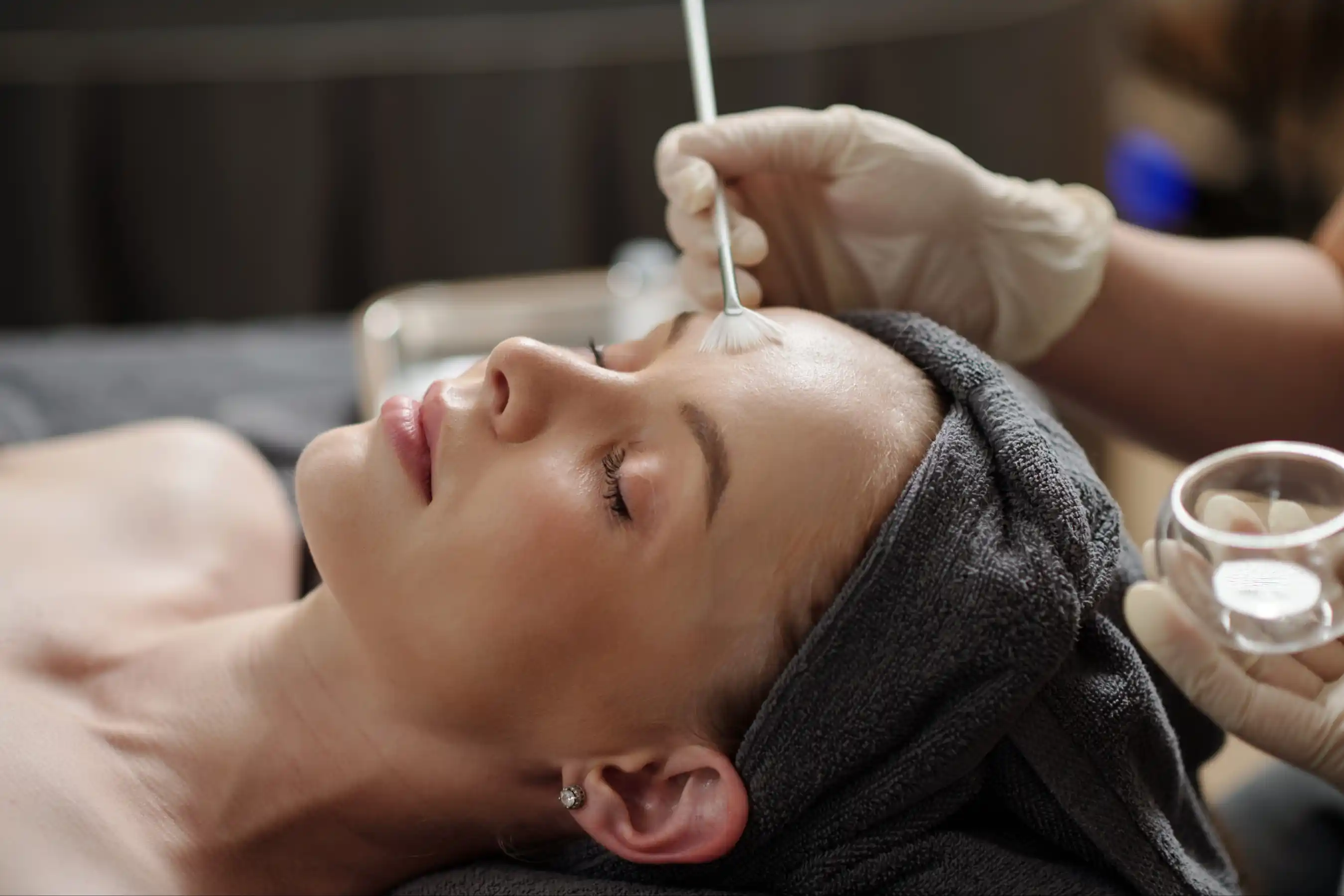
A chemical peel works by applying a solution to the skin that causes the outermost layer to gently exfoliate and shed. As that top layer clears away, fresher skin underneath takes its place, often with a more even tone and smoother texture. Chemical peels improve the appearance of acne scars by using a chemical solution to remove the outer layer of old skin, and the new skin that replaces it is usually smoother and less scarred in appearance.
Superficial peels typically use mild acids, such as alpha-hydroxy acids (AHAs) or beta-hydroxy acids (BHAs), to target only the top layer of skin. This makes them effective for lifting discoloration and refining texture without the extended downtime associated with deeper peels.
What a Superficial Peel Can Realistically Accomplish
It's worth setting expectations before your first treatment. A superficial peel is well-suited to:
- Fading post-acne discoloration and dark or red marks
- Improving overall texture and radiance
- Softening very mild surface irregularities
- Reducing enlarged pores and dullness alongside acne-related concerns
Superficial peels are not designed to significantly reduce deep, pitted, or indented scarring. Reaching that layer of skin requires a medium or deep peel, or an entirely different treatment approach.
Chemical Peel Depth Comparison
| Superficial Peel | Medium/Deep Peel | |
|---|---|---|
| Skin layer reached | Outermost layer (epidermis) | Deeper dermal layers |
| Best for | Discoloration, dullness, mild texture | More significant scarring and sun damage |
| Downtime | Minimal to none | Days to weeks of recovery |
| Available at TrueCare Medical | Yes | Not currently offered |
TrueCare Medical's H3 Aesthetics team offers superficial chemical peels, which are ideal for patients who want visible improvement without significant downtime.
What to Expect From a Series of Treatments
Most patients don't see their best results from a single peel. A typical treatment plan looks like:
- An initial consultation, where your provider assesses your skin type, scarring, and goals
- A series of peels, usually spaced a few weeks apart, to build on results gradually
- Ongoing sun protection, since the ASDS notes that peel patients should avoid the sun for several months following a procedure
- Reassessment, where your provider evaluates progress and adjusts the plan as needed
After treatment, your skin may appear slightly pink or feel dry and flaky for a few days, but most patients return to their normal routine right away.
When a Chemical Peel Alone Is Enough, and When It Isn't
For patients with mild discoloration or texture concerns, a series of superficial peels alone can produce a noticeably smoother, brighter complexion. For patients with deeper, pitted scarring, a peel may still play a helpful role, but it's often more effective when combined with other treatments, such as microneedling, rather than relied on as a standalone solution.
The most useful first step is an honest conversation with your provider about which category your scarring falls into, so your expectations match what the treatment can realistically deliver.
Start Your Skin Journey at TrueCare Medical
Chemical peels can be a meaningful part of an acne scar treatment plan, but the right approach depends on your specific skin and goals. TrueCare Medical's H3 Aesthetics team takes the time to assess your skin before recommending a treatment plan, so you know what to expect before you start.
Ready to talk with a provider about your skin goals? Request an appointment for a chemical peel consultation at TrueCare Medical's Lilburn or Suwanee, Georgia location, or call (678) 369-9399.
Frequently Asked Questions
Does a chemical peel really help with acne scars?
Chemical peels can help improve certain types of acne scars, especially post-inflammatory discoloration and mild texture irregularities. Deeper, pitted scars generally see less improvement from a superficial peel alone and may benefit from a combination approach.
How many chemical peel treatments will I need for acne scars?
A single peel can produce noticeable improvement, but most patients see the best results from a series of treatments spaced a few weeks apart. Your provider at TrueCare Medical will help you determine the right plan for your skin.
Is a chemical peel treatment near me painful?
Most patients describe superficial chemical peels as comfortable, with only mild tingling or warmth during application. Any discomfort typically fades quickly once the peel is neutralized and removed.
How do I find a chemical peel near me for acne scars?
TrueCare Medical's H3 Aesthetics team offers superficial chemical peel treatments at both the Lilburn and Suwanee, Georgia locations. You can request an appointment online or call (678) 369-9399 to schedule a consultation.
