High blood pressure care that puts your long-term heart health first.
Hypertension
Managing diabetes is more than just tracking blood sugar — it’s about support, education, and a plan built around you. At TrueCare Medical, we care for patients with Type 1, Type 2, and gestational diabetes through a holistic, empowering approach. With clinics in Lilburn and Suwanee, Georgia, our team is here to help you feel your best and avoid long-term complications.
Why Choose TrueCare for Hypertension Care?
How Hypertension Treatment Works
We begin with a detailed evaluation to identify what’s contributing to your high blood pressure. This includes:
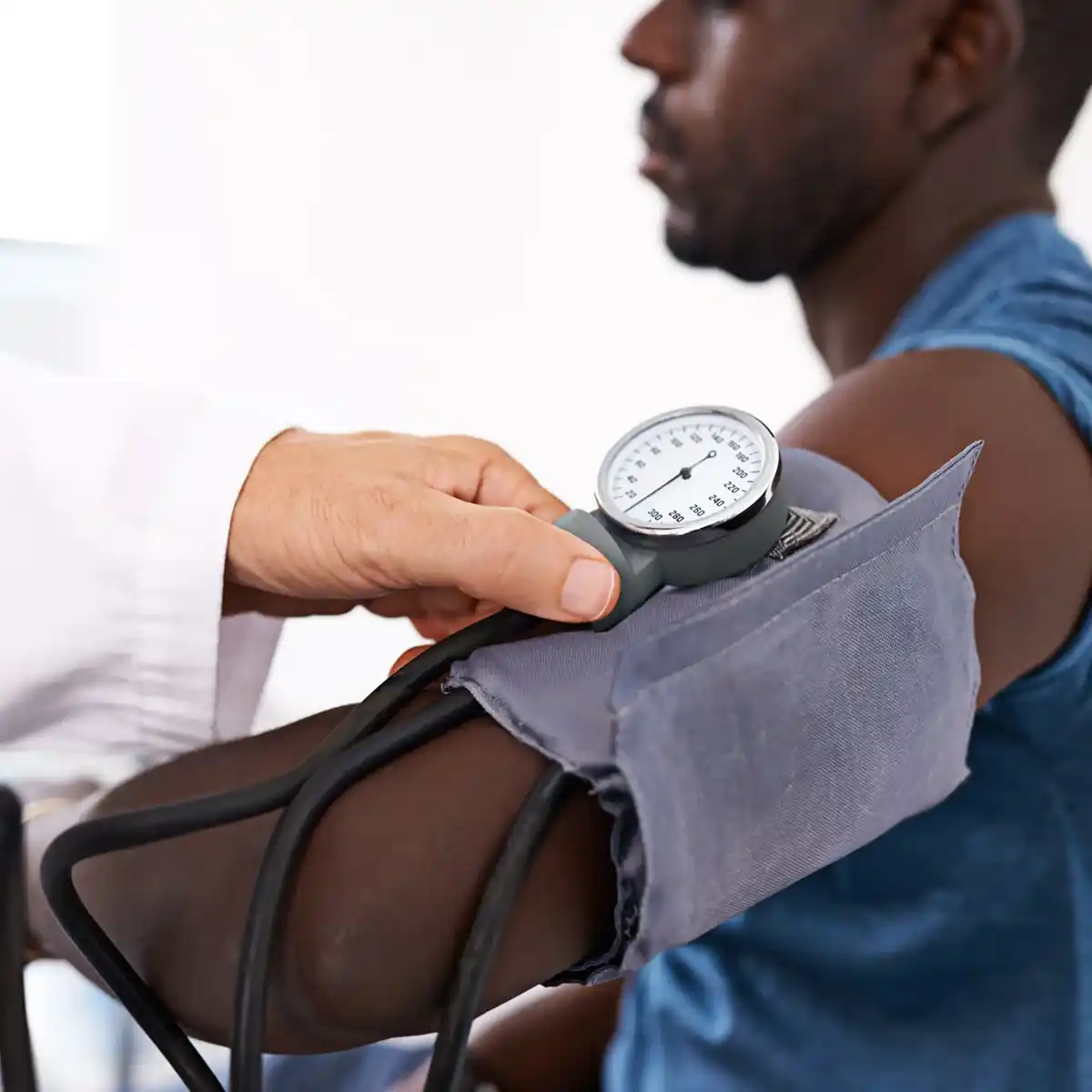
- Blood pressure tracking and lab tests
- Heart and organ function review
- Screening for other risk factors
Then we create a tailored plan, which may include:
- Medication
- Diet and nutrition support
- Exercise and stress-reduction coaching
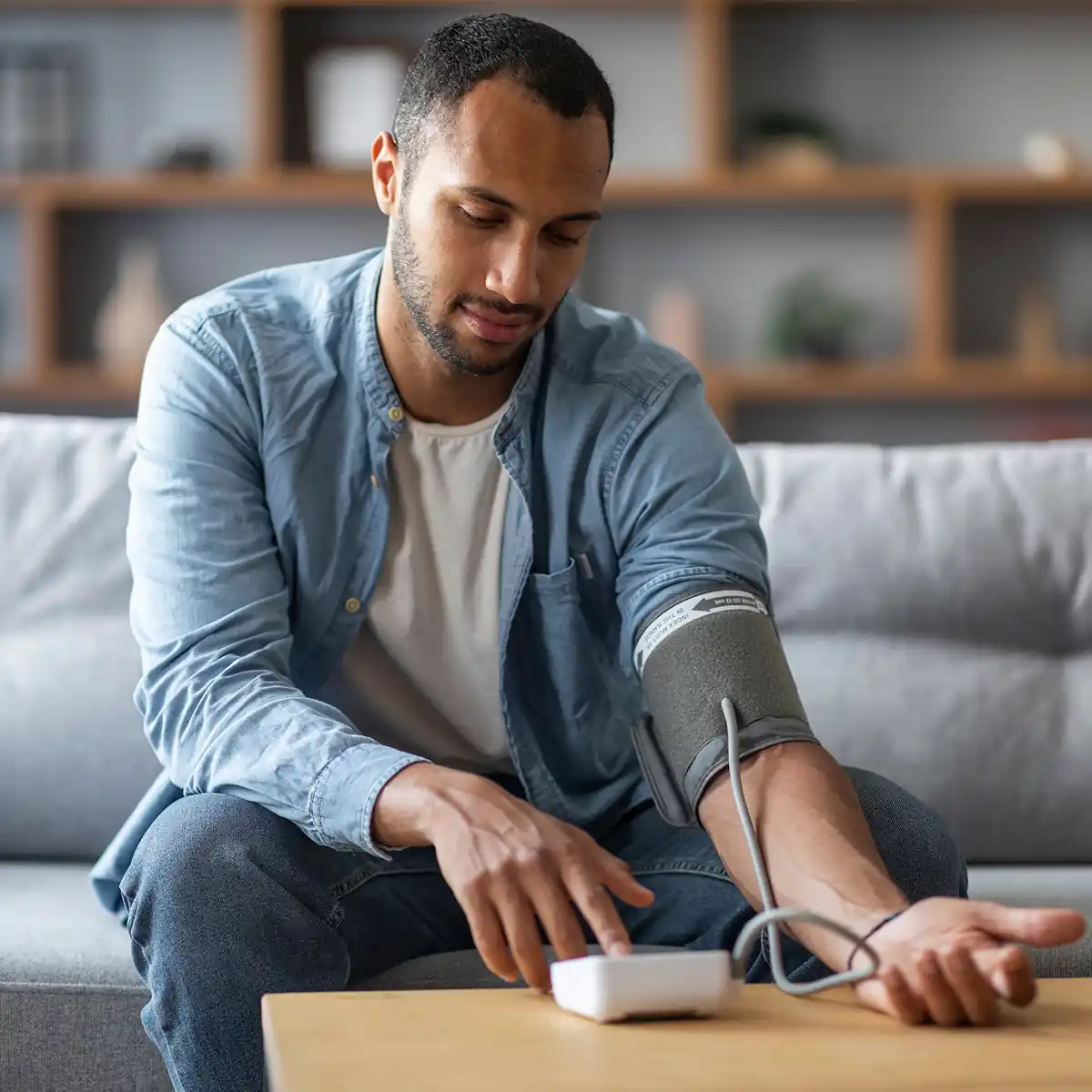
- Monitoring tools for home use

What to Expect During Treatment
We walk with you every step of the way:
- Clear explanation of your diagnosis
- Help understanding treatment goals and why they matter
- Coaching to build daily heart-healthy habits
- Support for medication adherence and lifestyle change

Ongoing Support & Care
We don’t stop after your first visit. You’ll receive:
- Regular blood pressure checks
- Medication adjustments
- Guidance on eating, exercise, and managing stress
- Resources to make change easier at home
Frequently Asked Questions
How can I integrate hypertension management into my daily routine?
Successful integration involves taking prescribed medications as directed, monitoring your blood pressure regularly, adopting a heart-healthy diet, staying physically active, and managing stress effectively. We provide personalized guidance to help you incorporate these practices seamlessly into your life.
What lifestyle modifications are most effective for lowering blood pressure?
Key modifications include following a diet low in sodium and rich in fruits, vegetables, and whole grains; engaging in regular aerobic exercise; maintaining a healthy weight; moderating alcohol intake; and avoiding tobacco use.
What is the significance of regular blood pressure monitoring at home?
Home monitoring plays a crucial role in managing hypertension as it helps track the effectiveness of your treatment plan, encourages medication adherence, and aids in the early detection of potential complications.
What symptoms may indicate that my blood pressure is not well-controlled?
High blood pressure is often asymptomatic, which is why it’s known as the “silent killer.” Regular monitoring is essential. However, severe hypertension may manifest as headaches, vision problems, chest pain, or difficulty breathing, and requires immediate medical attention.
Can stress management have a tangible impact on blood pressure?
Absolutely. Chronic stress can contribute to elevated blood pressure levels. Adopting stress-reduction techniques such as mindfulness, meditation, and deep-breathing exercises can be beneficial components of a comprehensive hypertension management strategy.
How does dietary management play a role in controlling hypertension?
Dietary management, particularly the DASH (Dietary Approaches to Stop Hypertension) diet, has been proven effective in lowering blood pressure. It focuses on reducing sodium intake while increasing the consumption of potassium, calcium, and magnesium-rich foods, which help to naturally lower blood pressure.
Are there alternatives to medication for managing hypertension?
While lifestyle modifications can significantly impact blood pressure control, medication may still be necessary, especially in cases of moderate to severe hypertension. Natural remedies and lifestyle changes can complement pharmacological treatment but should not replace it without consulting your healthcare provider.
What are the potential long-term effects of uncontrolled hypertension?
Uncontrolled hypertension can lead to serious health issues, including heart attack, stroke, heart failure, kidney damage, vision loss, and cognitive decline. Early intervention and effective management are key to preventing these complications.